GOOD FOR NATURE, GOOD FOR THE COURSE
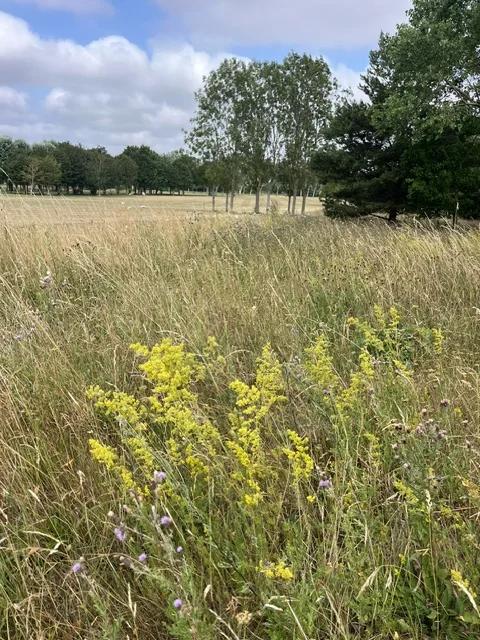
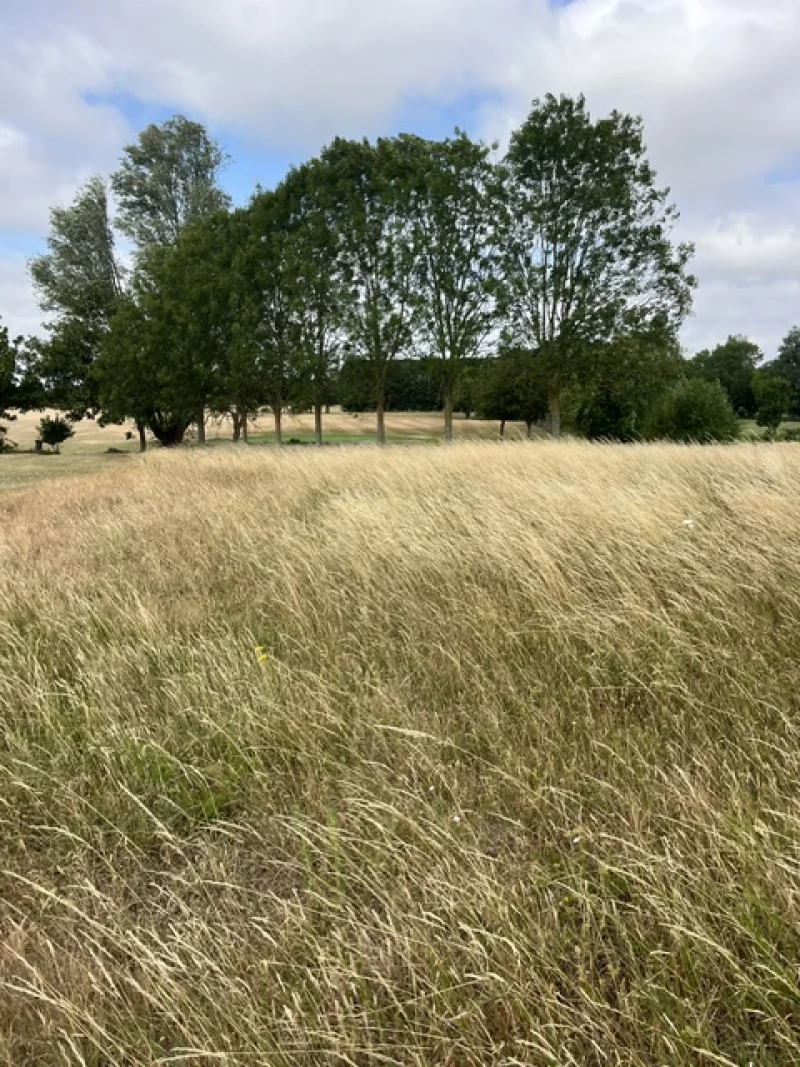
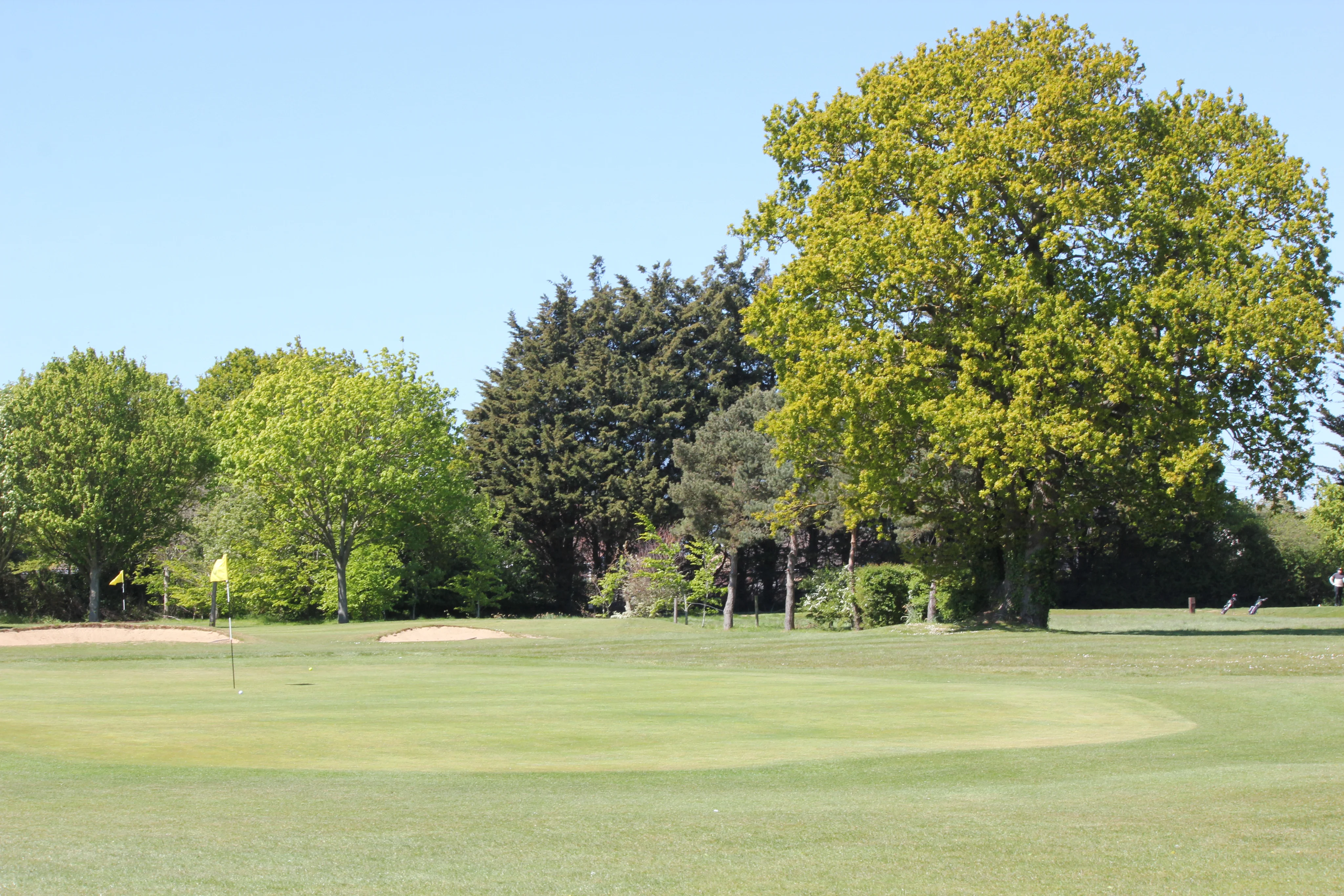
Leaving these areas unmown is a simple but important part of our environmental commitment. It reduces the need for regular cutting, supports natural habitat creation and helps the course play its part in protecting local biodiversity. The result is a landscape that remains enjoyable for golfers while giving nature more space to thrive.
We ask members and visitors to respect these wildlife areas by avoiding unnecessary disturbance and allowing the grassland to develop naturally through the season. Together, we can help make the course a welcoming place for both people and wildlife.
TREE PLANTING FOR THE FUTURE
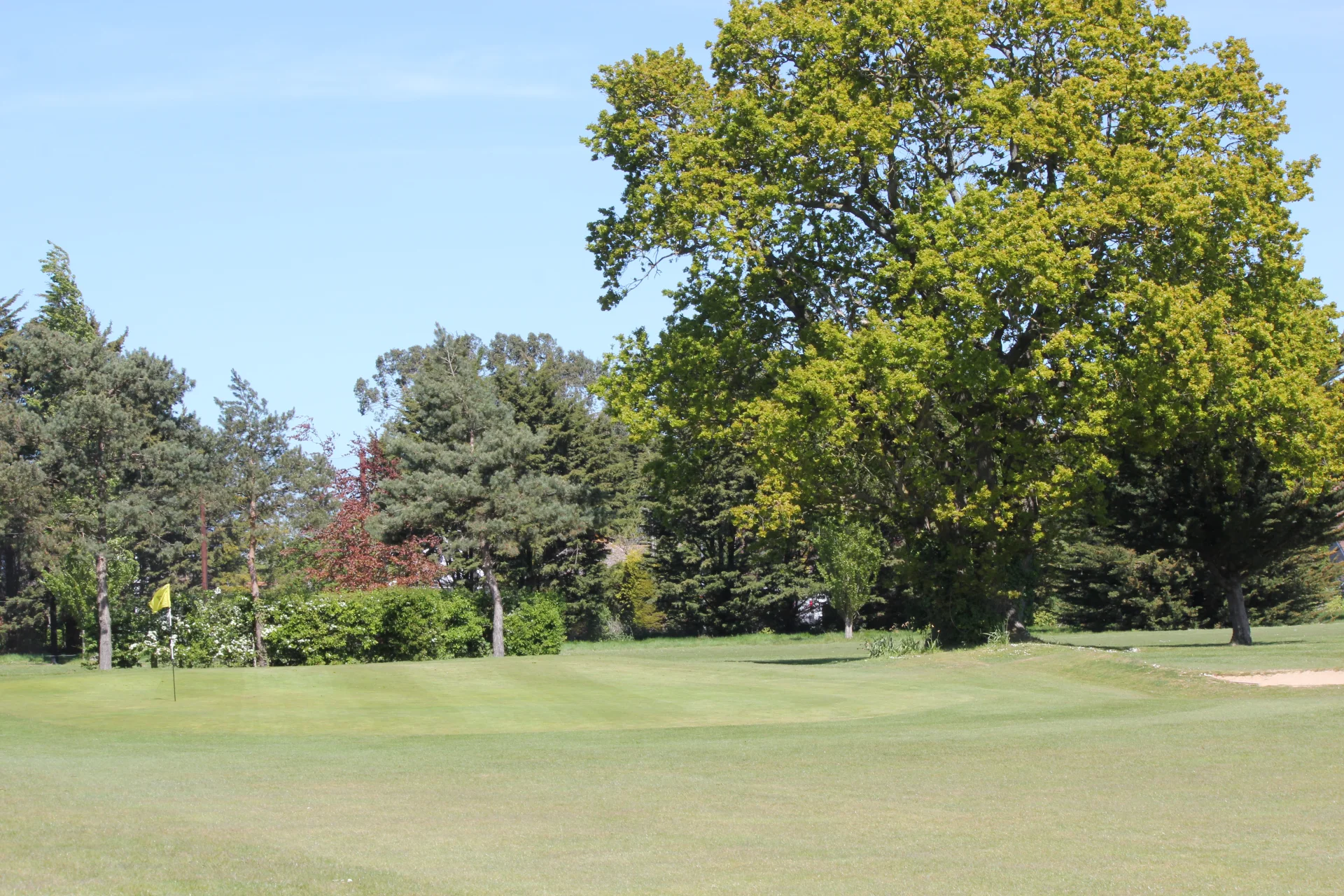
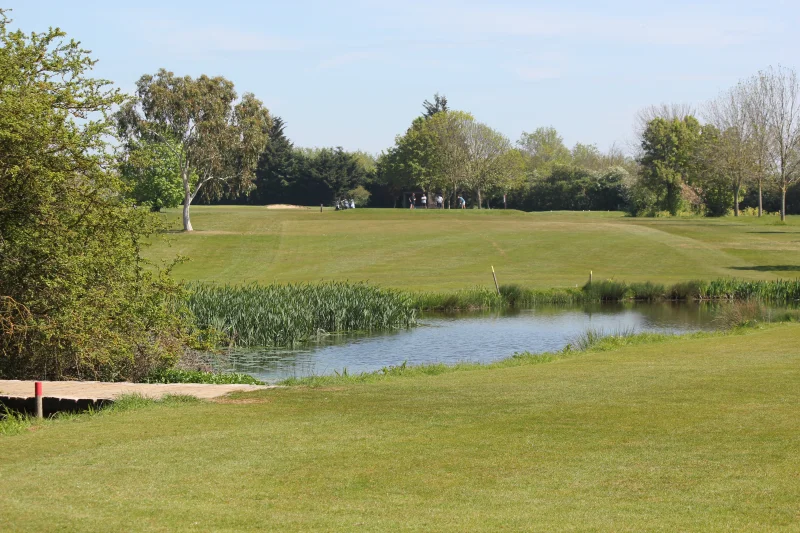
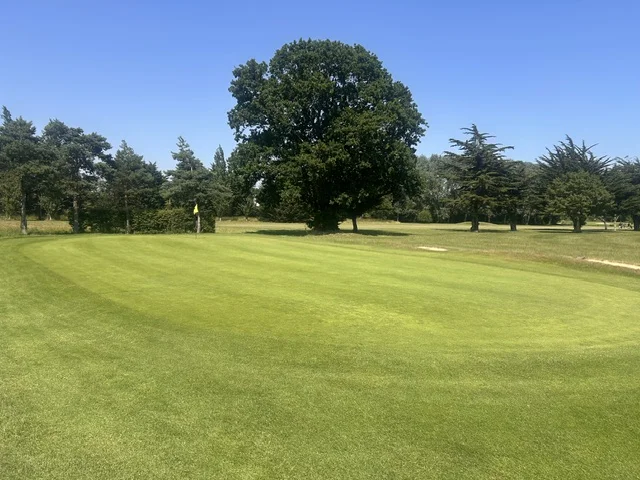
Our commitment to supporting nature on the course has been growing for many years. In 1991, 7000 trees were planted as whips, helping to establish new areas of woodland, strengthen habitat links and enhance the character of the course for future generations.
As these trees have matured, they have provided valuable food, shelter and nesting opportunities for wildlife, while also adding seasonal interest and natural structure to the landscape. Together with our unmown wildlife corridors, they form an important part of our ongoing environmental work.
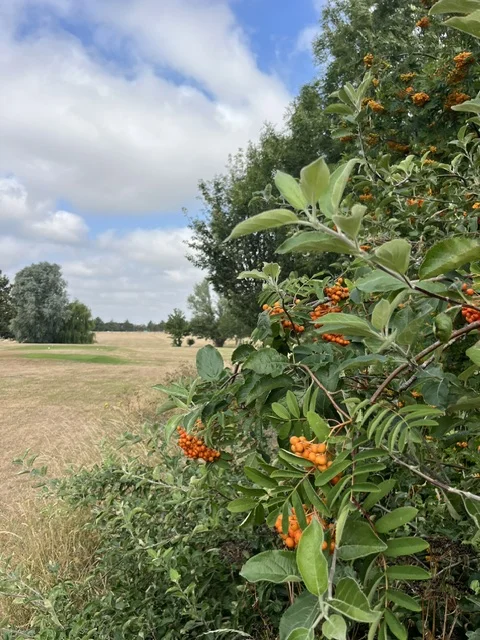
The perimeter of the course was planted with native bird and insect friendly hedging when the course was built. This is now mature and is laden with blossom and berries.
ENHANCING OUR WATER BANKS
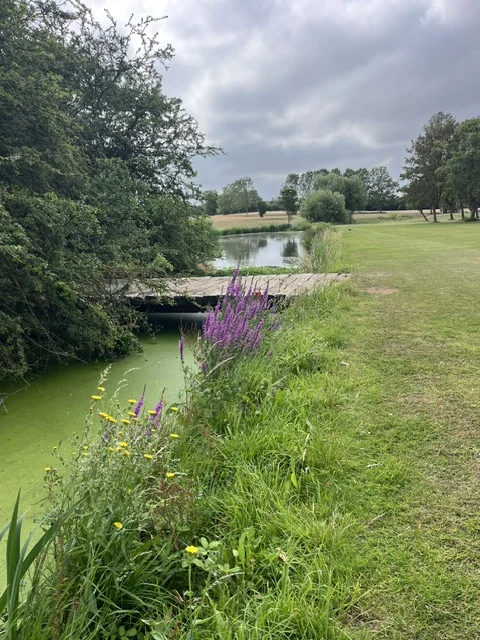
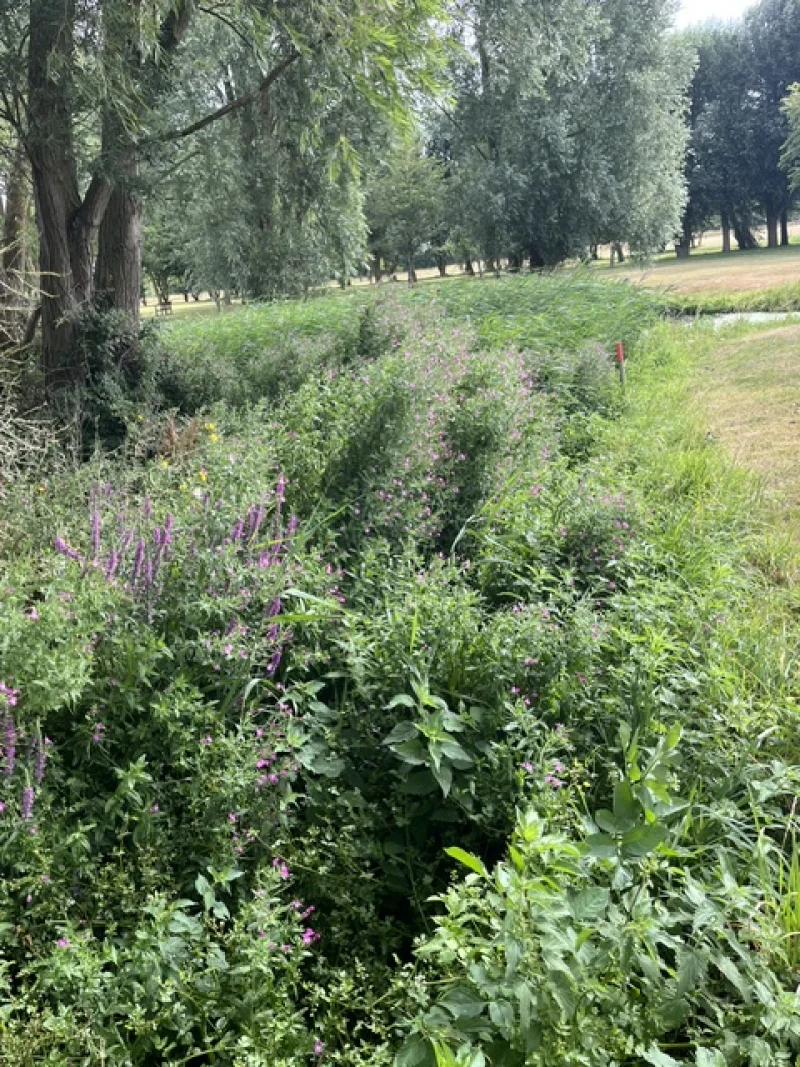
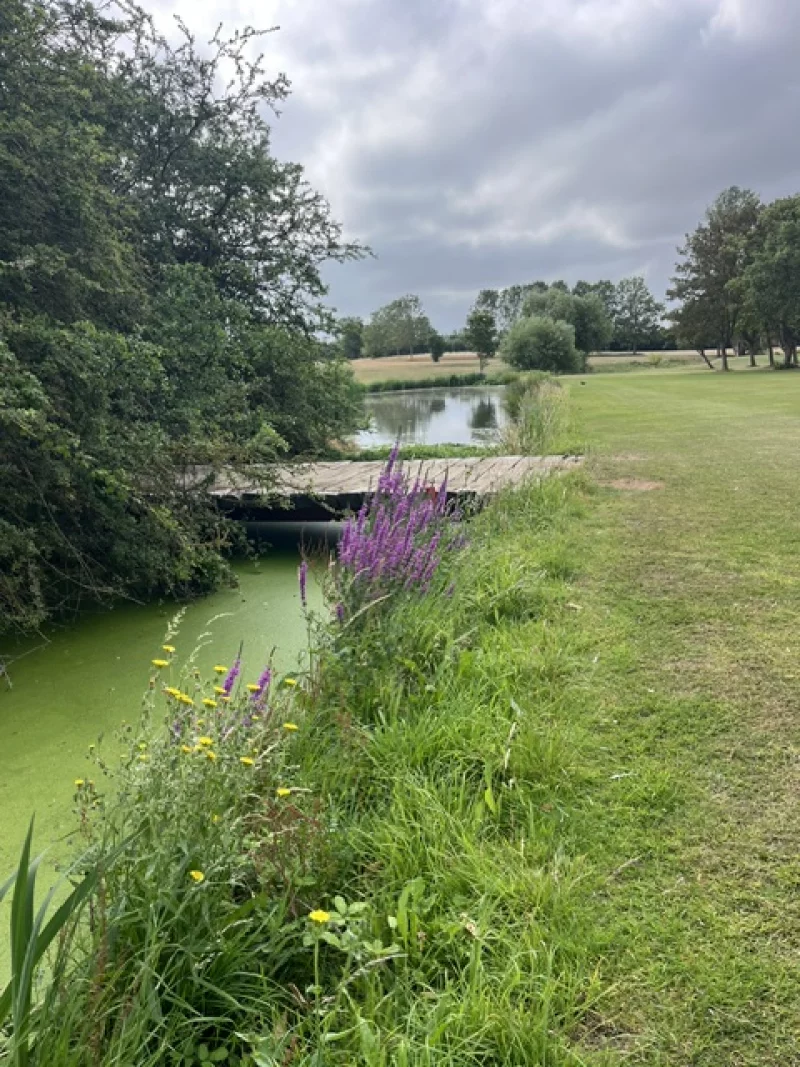
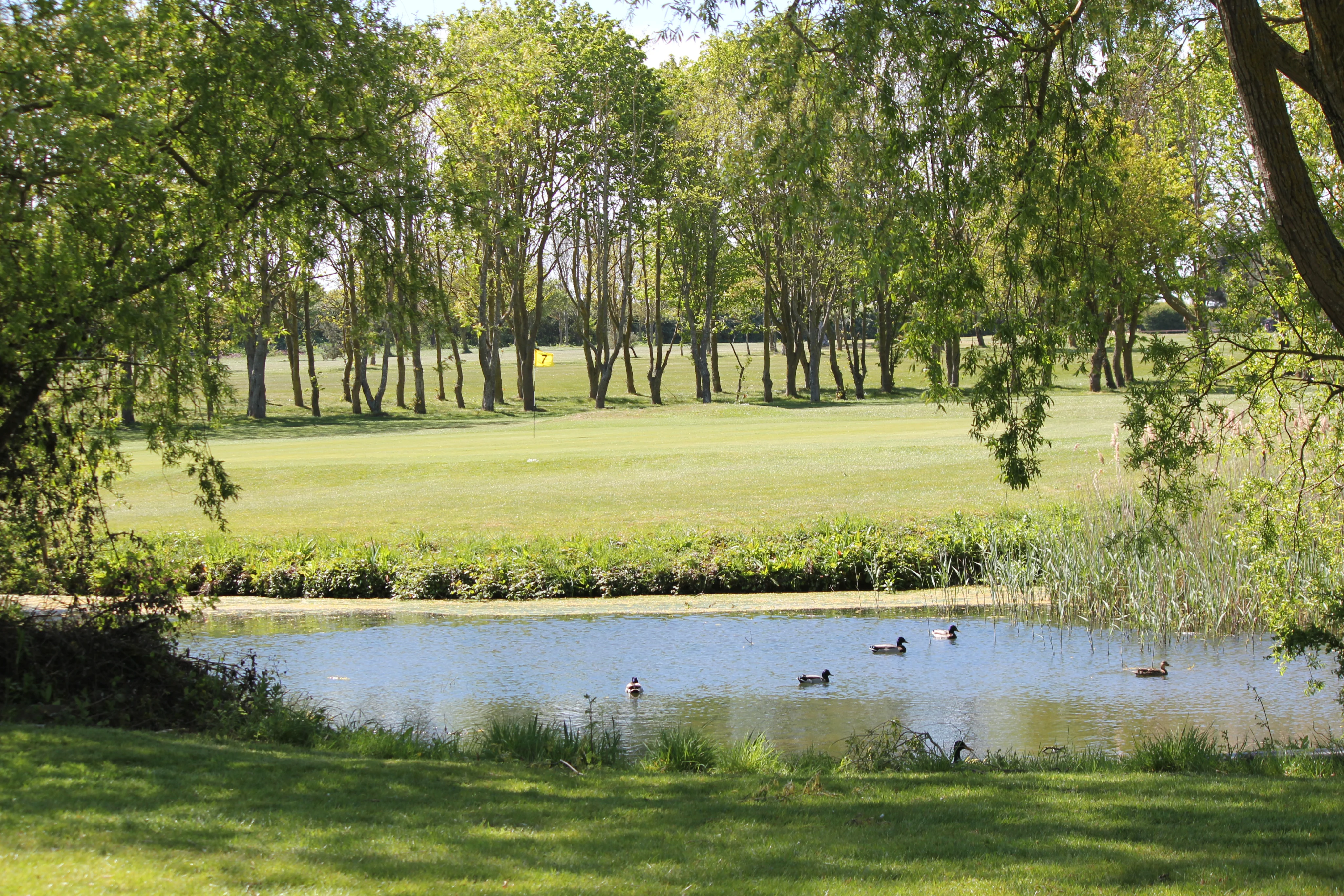
We have also seeded native plants along our water banks to encourage natural growth around wetland areas. These plants help soften the edges of ponds and water features, provide cover and feeding opportunities for wildlife, and support insects and other species that rely on healthy waterside habitats.
By improving the quality of these marginal areas, we are helping to create a more diverse and connected environment across the course, where grassland, woodland and waterside habitats can work together to support nature.
SUPPORTING BREEDING BIRDS
We continue to maintain existing bird boxes and put up new ones to support the breeding species found on the course, including blue tits, great tits, pied wagtails, sparrows and barn owls. These boxes provide important nesting opportunities and help encourage a healthy bird population across the course.
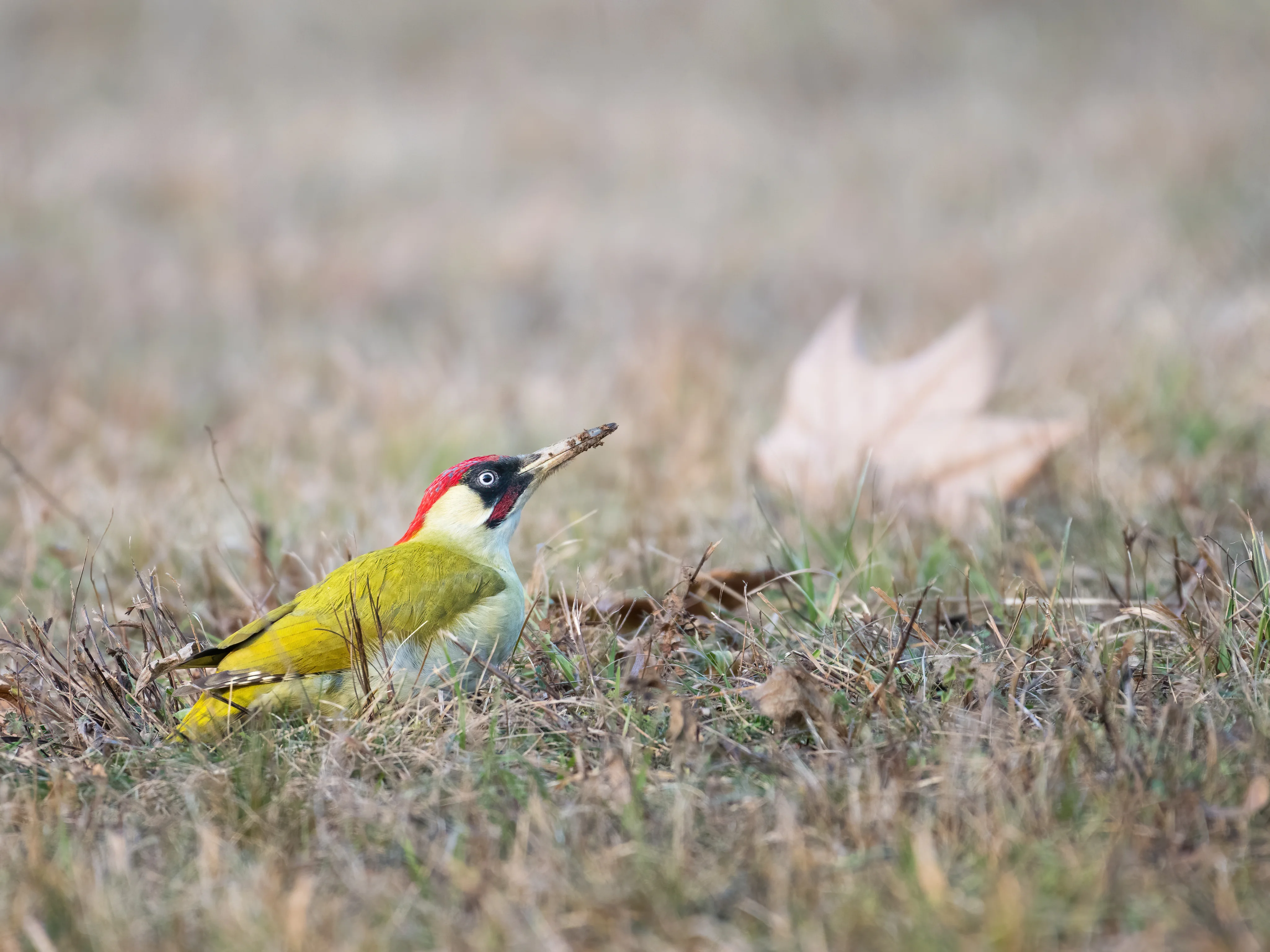
Green woodpeckers, lesser spotted woodpeckers and Great spotted woodpeckers are also resident on the course, making use of the older trees and safety netting poles. Their presence is another sign of the value of mature habitat and undisturbed areas across the site.
By caring for nesting sites alongside our grassland, woodland and waterside habitats, we are helping to create a course that supports wildlife throughout the year and gives nature the space it needs to thrive.